The Full Liquid Stage After Bariatric Surgery: Two Weeks of Sipping, Explained
After bariatric surgery, the first eating stage surprises many patients — not because it is complicated, but because it is so different from normal eating. For a while, every meal is something you sip: thin fluids, taken slowly, in small amounts, many times a day. It is often the hardest stage to plan, precisely because there is so little to plan with: no plates, no chewing, no familiar meals — just a bottle, a cup of broth, and patience.
Why liquids first
The liquid stage exists to let the stomach heal. In the weeks right after surgery, the surgical area needs food that passes gently, without stretching, pressure or solid pieces. That is why teams generally start with thin, strained fluids: water, clear broths, thin soups with no lumps, and protein drinks chosen by the team. The stage usually lasts a limited time — how long depends on the clinic and the procedure — and it is followed, step by step, by purees, then soft foods, then a regular diet. Moving faster than your team advises is not a shortcut; the stages are a healing sequence, not a test of willpower.
Sip, do not gulp
The single most useful habit of the liquid stage is also the simplest: small sips, slowly, all day. Gulping is the fastest way to feel uncomfortable, and fullness at this stage arrives fast and quietly — one sip too many is the most common mistake patients report. Keeping water within reach all day helps more than any schedule: if the bottle is next to you, you sip without thinking about it. Warm drinks — a cup of broth, an unsweetened herbal tea — are often easier to tolerate than cold ones, and many patients find a simple daily rhythm (morning drink, mid-morning, lunch, afternoon, evening) easier to follow than deciding from scratch five times a day.
What a liquid day actually looks like
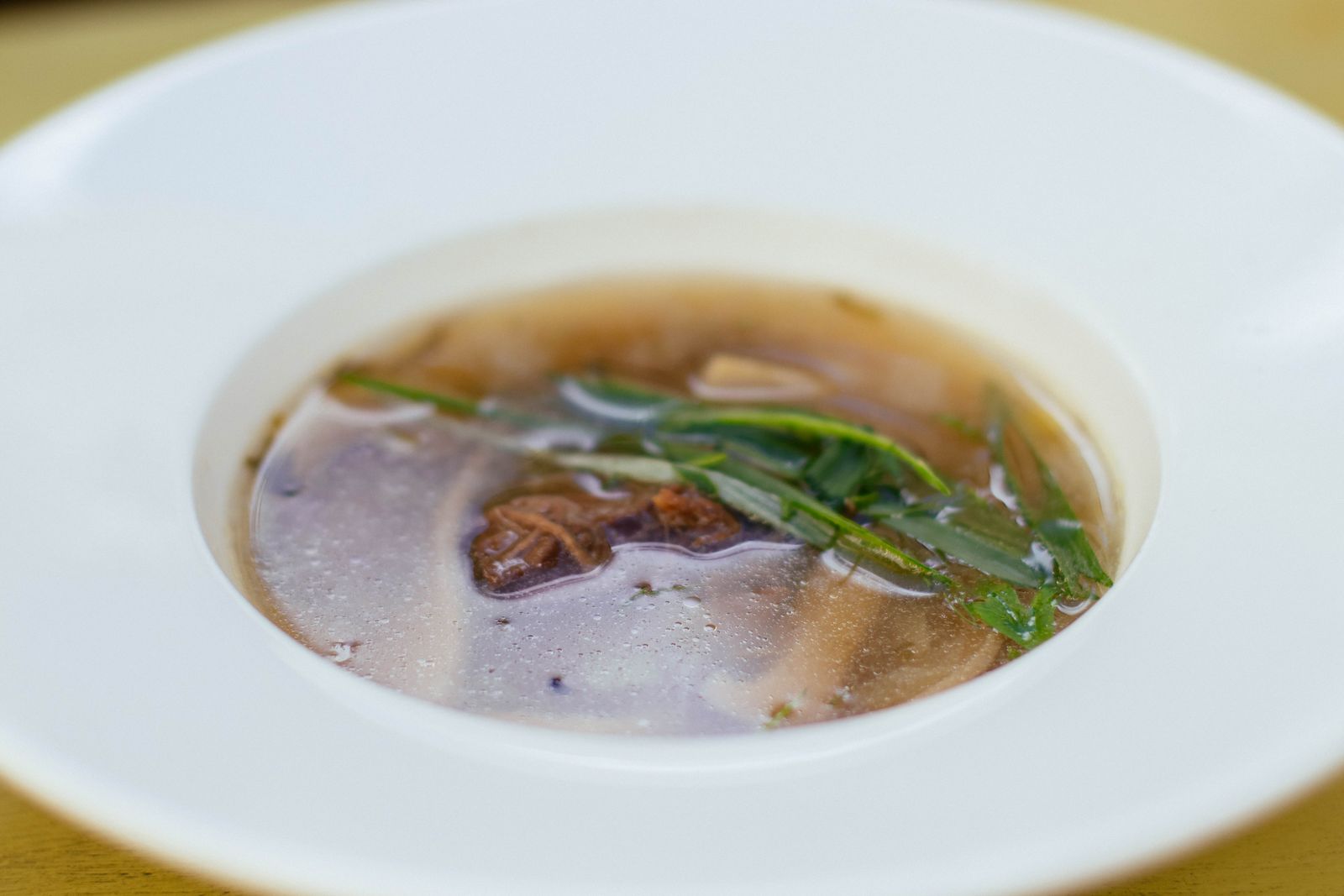
A typical liquid-stage day is built from a small set of familiar items, rotated for variety: clear vegetable or chicken broth, strained thin soups, a plain thin yogurt drink or kefir, a sugar-free jelly, and a protein drink of the kind the team recommends. Broth made in a big pot, strained, cooled and frozen in small portions covers several days at once. The plan deliberately avoids fixed amounts: portions at this stage are set by the team and by the patient’s own fullness signals, which change day by day. If a drink does not sit well, the usual advice is simple — pause it, go back to plain water for a while, try again later, and contact the team if fluids will not stay down.
A tool for the two weeks
The new Full Liquid Diet Plan — 14 Days from BariatricShopRo was built for exactly this stretch: fourteen days planned, five sipping moments a day, a two-week shopping list by category, sipping tips from a fellow patient, a “safe list” for the drinks that sat well, and a 14-day tracker to tick each drink and note water through the day. Ten printable A4 pages, made to carry you from the first sip to the next stage.
Get it here: https://www.etsy.com/listing/4605465994/full-liquid-diet-plan-14-days-post
It is educational only, like everything in the shop: it organizes your liquid weeks, it never replaces your team’s instructions. If anything in any plan conflicts with what your surgical team told you, your team wins — always.
Sources
- American Society for Metabolic and Bariatric Surgery — patient resources on diet progression after bariatric surgery
- Cleveland Clinic — dietary stages after bariatric surgery, patient education
- National Health Service — eating after weight-loss surgery, staged diet guidance