Protein and Water After Bariatric Surgery: The Two Habits That Do the Heavy Lifting
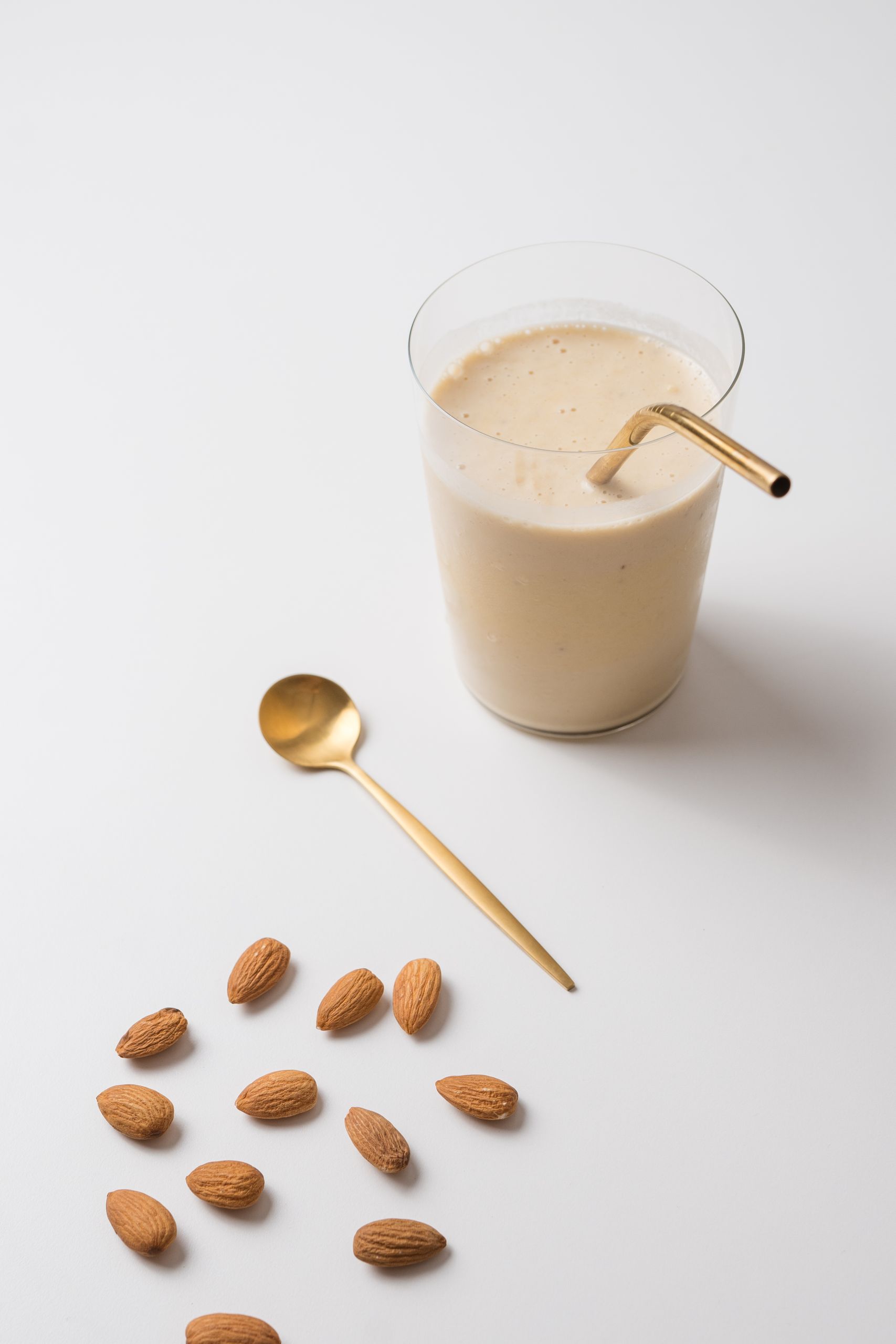
After bariatric surgery, two habits do most of the heavy lifting: eating protein first, and sipping fluids all day long. Neither one is hard to understand. Both are easy to forget — because memory is a terrible tracker, especially with a tiny stomach and a full head.
Key takeaway: Your surgical team sets your daily protein and fluid targets; a daily tracker never sets them. What a tracker does is show you, evening after evening, whether you hit your own targets or fell short — patterns that matter at your next appointment with your dietitian.
Protein first, always
Protein is the single most important nutrient after bariatric surgery: it helps preserve muscle mass during rapid weight loss and keeps small meals satisfying, which is the whole point of the new portions. That is why most bariatric programs teach the “protein first” rule — at every meal, protein foods come first, before vegetables or carbs.
Your daily protein target is individual and set by your team — it varies with the procedure, the recovery stage, and your labs. A tracker does not set targets. It only answers one honest question per day: did you reach yours?
The sipping habit
Dehydration is one of the most common problems of the early months after surgery. With a very small stomach, you cannot drink a full glass at once anymore, so hydration becomes an all-day activity: small sips, constantly, from morning to evening.
In general, programs also recommend keeping fluids away from meals — drinking between meals rather than with them — because liquid can fill the small pouch and crowd out protein. As with protein, the right daily fluid amount is your team’s call; the tracker’s job is to help you watch it add up, tick by tick.
Why a paper tracker works
Nutrition apps ask for the app to be opened, the food to be searched in a database, the portion to be estimated — a lot of small friction. A sheet on the fridge or the nightstand asks only for a pencil. And paper shows the pattern: three days in a row under your protein target is a conclusion no phone reminder will draw for you.
It does not have to be perfect. A tracker does not judge; it records — and recording makes problems visible early, while they are still small.
What to write down — the daily minimum
Five minutes in the evening, for the whole day:
- Protein per meal and the daily total — write the grams from each meal (check your labels), then add them up. You will quickly see which meals carry their weight and which ones do not.
- Water, tick by tick — tick boxes are more honest than an evening estimate: either you ticked it, or you did not.
- Optional: weight and one line of reflection — one weigh-in a week is enough, and a sentence about how you felt completes the numbers.
Bring the completed tracker to your appointments. A week of numbers tells your team more than ten minutes of memories.
Make it part of the routine, not another chore
A tracker only works if it lives where the habits happen. The practical setups are simple: the daily page on the fridge for water tick-boxes, the page on the kitchen table while you eat so the protein grams go down before you stand up. Many people fill in the evening totals at the same moment they take their supplements or set out the next day’s things — one cue, one pencil, one page. And if a day ends up half empty, that is still data: a blank evening is the tracker’s way of pointing at the day that got away from you, which is exactly what you want to see.
This article offers general information about nutrition after bariatric surgery. It does not replace the advice of your doctor or your medical team. Every patient has their own protein and fluid targets, set by the team that follows them. If anything here differs from what your team recommended, your team’s recommendation is the one that counts.
Getting both habits on one page makes them hard to lose: the Bariatric Protein & Water Tracker is a printable 5-page A4 kit (instant download) with a daily grid for protein grams and water tick-boxes, a weekly overview with a reflection line, a protein foods cheat-sheet, and a simple how-to page. It is educational only — it never sets your protein or fluid targets; your surgical team’s plan always comes first.
Keep going
Still building the routine? The planners and journals in the Shop are made for the everyday work that follows the surgery day.