Life After Gastric Bypass: The First Year, and How a Planner Helps

Gastric bypass changes how you eat, how you absorb food, and how you live with food for the rest of your life. The operation takes a few hours. The first year after it takes patience, new habits, and a lot of small daily decisions. What follows is general, educational information about that year. Your own surgical team sets your plan and your targets, and their instructions always win.
What changes after bypass
In a Roux-en-Y gastric bypass, the surgeon creates a small stomach pouch and connects it straight to the small intestine, so food takes a shorter path through the digestive system. The stomach that remains is still there, but food no longer passes through it the usual way. Meals get much smaller, because the pouch holds far less than a full stomach. And the body absorbs some vitamins and minerals differently, because food skips part of the intestine where absorption used to happen. That is why follow-up after bypass is for life, not just for the first year.
The first weeks: food comes back in stages
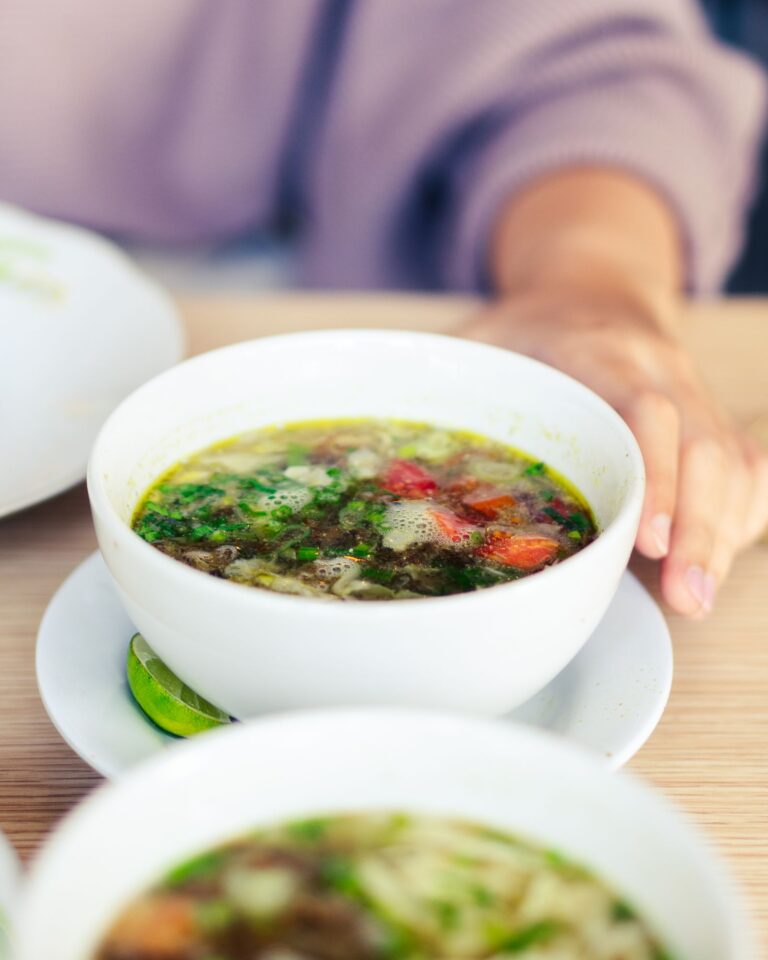
Food returns in stages after bypass. The usual order is liquids, then puree, then soft foods, then regular foods. Your team decides when you move from one stage to the next, and the timing is different for every patient.
A new pouch needs time to heal, and each stage tests it a little more. Liquids first, while the pouch settles. Then puree, then soft foods, then regular foods, introduced one at a time so you can see what agrees with you. If a food does not sit well, that is information, not failure. Note it, tell your team, and try again later if they suggest it.
Eating in the new normal
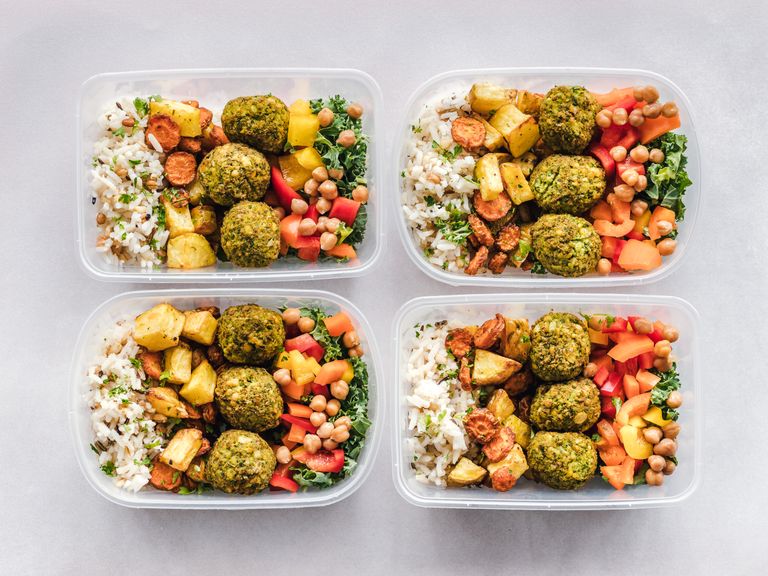
Protein first at every meal, using the foods your team allows. Small bites, eaten slowly, with your cutlery down between bites. Fluids sipped through the day, kept separate from meals. Stop at the first signal of fullness, not the last. One bite too many can mean real discomfort with a small pouch, so stopping early is a skill worth practising.
Vitamins and follow-up for life
Because bypass changes absorption, most patients take vitamins and supplements for life, exactly as their team directs. Blood tests at set intervals show what the body is actually absorbing, and the team adjusts the plan from there. The surgery feels done once the wound heals, but the follow-up keeps going, year after year, because some deficiencies take months to show and cannot be felt in the early stages. Take what your team directed, every day, and write it down. A vitamin tracker shows you the gaps you can still fix, and it gives your team an honest record at every appointment. Never change a vitamin or supplement on your own.
Dumping syndrome
Some bypass patients find that sweet or fatty foods can trigger uncomfortable symptoms soon after eating: nausea, stomach cramps, sweating, a racing heartbeat, lightheadedness, or diarrhoea. This is often called dumping syndrome. It does not happen to everyone, and it does not happen with every food. If it happens to you, note what you ate and tell your team. Knowing about it beforehand helps, because the first time can be frightening.
The parts nobody warns you about
The first year has a quieter side too. Food was comfort, celebration, boredom relief and social glue, and suddenly it is a small, slow, careful job. Many patients miss old foods, old portions, or simply eating without thinking. That feeling has a name in patient communities, food grief, and it is normal. Stalls happen after bypass just as they do after other bariatric operations. The scale stops moving for days or weeks while the body adjusts, holds water, or heals. The trend over months is what counts, not a single weigh-in.
How a planner helps
A planner does not make the year easy. It makes it visible. Food journals show which stage you are in and what sat well. A vitamin tracker shows the days you kept the routine and the days you missed. Weight and measurement pages, filled once a month, show the trend instead of the noise of daily weighing. And a page for your team’s number, written down where you can find it at 3 a.m., is worth more than any app when something feels wrong.
The new Gastric Bypass Planner from BariatricShopRo gathers all of this into 223 printable A4 pages: five bypass intro pages up front, plus the full planner behind them, with pre-op checklists, food journals for every stage, a full year of tracking, goals and motivation pages.
Get it here: https://www.etsy.com/listing/4619999432/gastric-bypass-planner-223-pages
It is educational only: it helps you keep the habits and the records, it never replaces your team’s instructions. If anything in any guide conflicts with what your surgical team told you, your team wins, always.
When to call your team
Some things deserve a call without delay: not keeping fluids down, vomiting that keeps returning, fever or a wound that becomes red, hot or leaking, severe or worsening pain, signs of dehydration such as very dark urine or dizziness when standing, chest pain or breathlessness, or low mood that does not lift. This list is general information, not medical advice. If something feels seriously wrong, seek urgent care.
Sources
- American Society for Metabolic and Bariatric Surgery: patient resources on gastric bypass, recovery and lifelong follow-up
- National Health Service: eating after weight-loss surgery, staged diet guidance
- Cleveland Clinic: dietary guidance after bariatric surgery, patient education