Eating After Bariatric Surgery: The Liquid, Puree and Soft Food Stages
After bariatric surgery, food does not come back all at once. It returns in stages, and each stage has a job to do. Liquids let the stomach heal. Purees reintroduce texture in small, gentle steps. Soft foods bring back real meals, still in small portions and eaten slowly. Knowing what each stage is for makes the first weeks easier to follow, and a written plan for each one takes the daily deciding out of it.
1. THE LIQUID STAGE
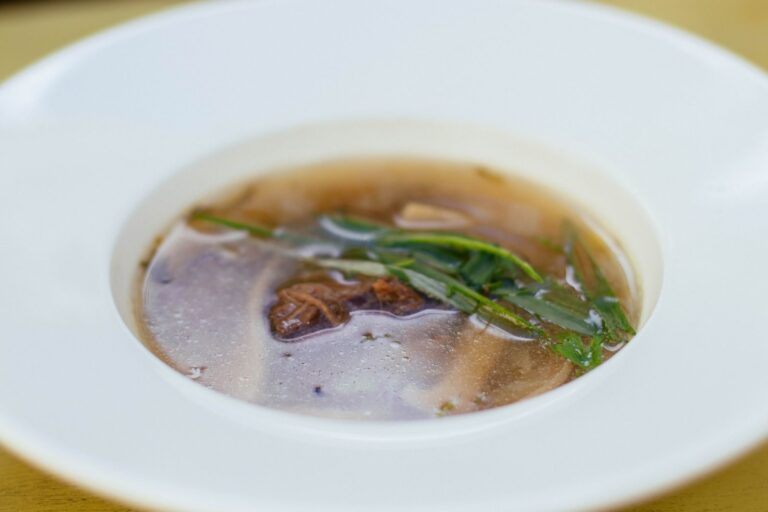
The first stage after surgery is liquids only. That usually means water, clear broths, strained soups, and drinks the surgical team has approved, taken in small sips through the day rather than in large amounts at once. The point of this stage is healing: the stomach needs time, and liquids are the least demanding thing it can handle. A day-by-day liquid plan helps here because the question is not what to cook, it is what to sip next, and when. Most teams keep patients on liquids for about one to two weeks, but the exact length is set by the team, not by a general guide.
2. THE PUREE STAGE
Purees come next. Foods are blended or mashed to a smooth, uniform texture with no lumps, pieces or skins. Typical puree-stage foods include blended soups, smooth yogurt, soft cheese, pureed vegetables, mashed egg and flaked fish blended smooth. Portions stay small, often measured in grams or spoonfuls, and each new food is tried on its own so the patient can tell what sits well. Two weeks of puree meals, planned in advance, keeps the variety up: the same soup every day gets old fast, and a plan with different meals for each day helps patients keep eating enough while the texture stays safe.
3. THE SOFT FOOD STAGE
Soft foods are the bridge to normal eating. The usual test is the fork: if a food mashes easily with a fork, it is soft enough. Scrambled eggs, soft fish, tuna, minced meat in sauce, mashed vegetables and soft fruit are common examples. Protein comes first at each meal, portions stay small, and eating slowly matters more than ever because the stomach is still learning its new size. A seven-day soft food plan covers a full week of these meals, with a shopping list so the week can be bought in one trip.
4. WHAT HELPS ACROSS ALL THREE STAGES
A few habits carry through every stage. Eat slowly and stop at the first feeling of fullness. Sip fluids between meals rather than with them, if the team advises it. Keep a short daily note of what was eaten and how it felt, and bring it to follow-up appointments: patterns show up on paper that memory misses. And keep the team’s own instructions above any general plan, because stages, timings and allowed foods differ between clinics and procedures.
5. A NOTE ON SAFETY
This article is general information only, based on patient experience. It is not medical advice. Dietary stages, timings, portion sizes and allowed foods are set by each patient’s own surgical team, and they differ between clinics and procedures. Always follow your team’s instructions, and contact them about symptoms or concerns rather than relying on a plan or article.
FIND THE PLANS:
The three plans described here, a 14-day liquid plan, a 14-day puree plan and a 7-day soft food plan, are available as one printable bundle here: https://www.etsy.com/listing/4613851234/the-stages-bundle-liquid-puree-soft-food. The bundle is a digital download (3 PDFs, 20 pages, A4), ready to print at home.
SOURCES:
- American Society for Metabolic and Bariatric Surgery (ASMBS) — patient resources on life after bariatric surgery: https://asmbs.org/patients
- National Institute of Diabetes and Digestive and Kidney Diseases (NIDDK) — Bariatric Surgery: https://www.niddk.nih.gov/health-information/weight-management/bariatric-surgery
- British Obesity and Metabolic Surgery Society (BOMSS) — patient information: https://www.bomss.org.uk/patients/