Bariatric Christmas Dinner: How to Enjoy Festive Food in Small Portions
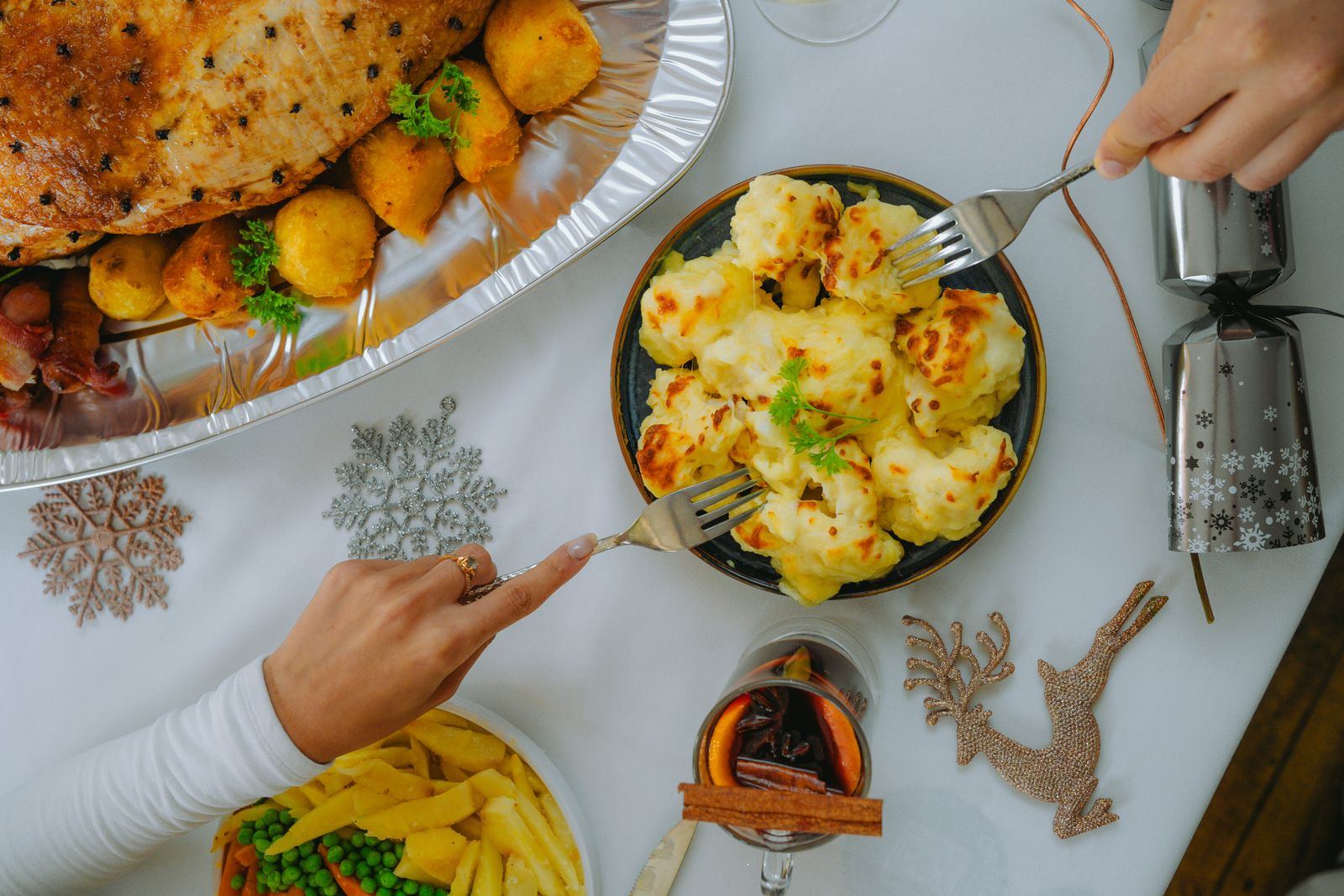
Christmas dinner is often described as the hardest meal of the year after bariatric surgery. The table is generous, the courses keep coming, and well-meaning hosts insist you try “just one more”. For someone with a small stomach, that combination can turn a celebration into something to dread. The good news is that Christmas food itself is not the enemy — the portion, the pace and the plan are what matter.
Protein first, flavour first
Most surgical teams advise the same simple order at any meal: protein first, then vegetables, then anything else if there is room. At Christmas that means starting with the turkey or fish, choosing the vegetables you tolerate best, and treating the rest as optional. A small plate you fill yourself beats a heaped plate someone else filled with love, and thin slices of moist turkey are far easier than thick, dry chunks. Sauces help — kept on the side, so you control how much you have.
The table is the hard part, not the food
The hardest moments at Christmas are rarely about hunger. They are about pressure: a host who feels rejected, a relative who comments on your plate, a table that expects you to keep pace with everyone else. Having one sentence ready changes everything. “That’s perfect for me, thank you — I’m full” is warm, final and needs no explanation. “I eat small portions” is a complete answer, and the people who matter will understand. Planning a break from the table — a walk, a coffee, a game — is not rude; it is how you enjoy the rest of the day.
Recipes that fit a small stomach
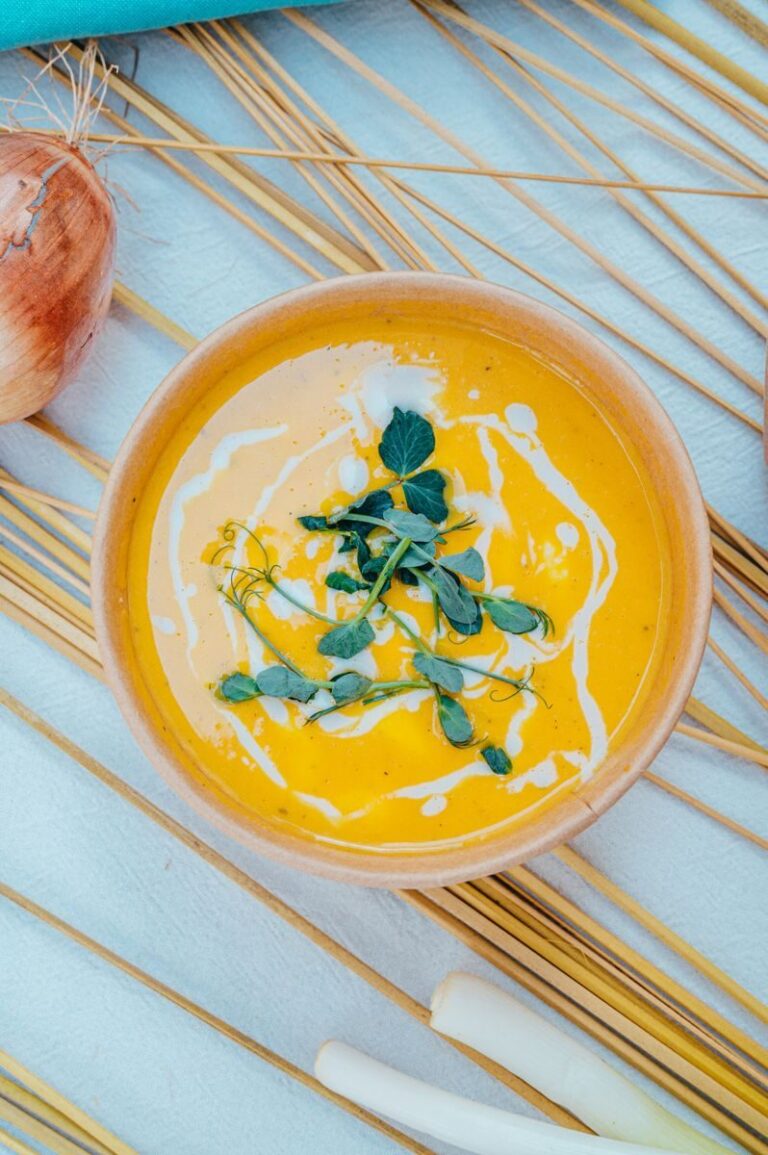
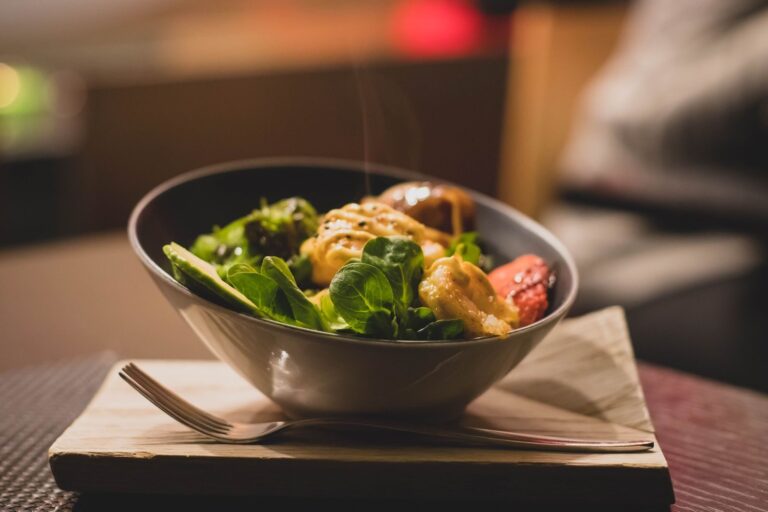
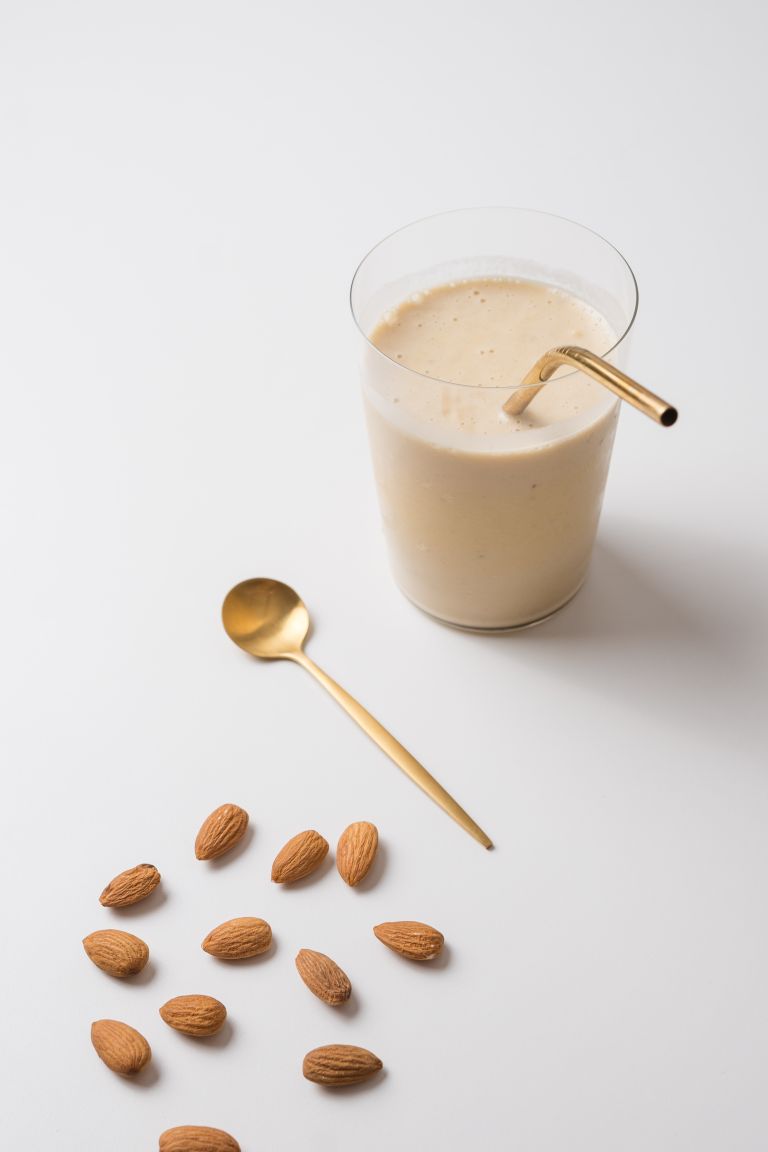
Festive cooking adapts well to bariatric needs. A roast pumpkin soup makes a gentle starter. Herb roast turkey breast, carved thinly, stays moist where a whole overcooked bird dries out. Baked salmon offers a soft, protein-rich alternative for anyone who does not want turkey. Cauliflower mash gives the comfort of mash without the heaviness, roast vegetables and soft stuffing round out the plate, and light desserts — a berry yoghurt parfait, baked apples with cinnamon — let everyone have pudding in a size that suits them. Festive drinks can keep the celebration without the sugar rush: spiced infusions, a cranberry sparkler, a small hot chocolate.
Leftovers are a gift, not a failure
Christmas cooking makes wonderful leftovers, and for a bariatric patient that is an advantage. Turkey reinvented in soup or gently reheated with gravy, soup from the carcass, and small frozen portions labelled for later mean a good meal is always one defrost away. Holidays disrupt routines, so keeping your usual pattern of regular small meals matters more than any single festive meal. One imperfect bite never defines a journey.
A tool for the table
The new Bariatric Christmas Recipe Collection from BariatricShopRo gathers all of this into thirteen printable A4 pages: a holiday strategy, survival tips for the table, nine festive recipes from soup to desserts and drinks, and a leftovers and holiday-week plan with space for your own choices.
Get it here: https://www.etsy.com/listing/4609527123/bariatric-christmas-recipe-collection
Sources:
- American Society for Metabolic and Bariatric Surgery (ASMBS) — patient resources on life after bariatric surgery
- NHS — guidance on eating after weight-loss surgery
- Bariatric surgery dietary guidance from surgical teams (general principles: protein-first eating, small portions, slow eating)