Eating on Holiday After Bariatric Surgery: Planes, Hotels and the Buffet
Home is easy after bariatric surgery. Your fridge, your plates, your routine. Travel takes all of that away and replaces it with airports, hotel buffets, long car rides and well-meaning relatives who keep offering food. The food part is the bit nobody warns you about, and it is the part that worries most patients before a first trip. It does not have to be the hard part. With a little planning, the trip stays yours.
This is general, educational information: your own surgical team sets your stages, your foods and your targets, and their instructions always win.
Before you go
Most travel food problems are decided at home, not at the airport. An hour of planning before you leave saves a week of guessing later, and most of it fits in a single bag.
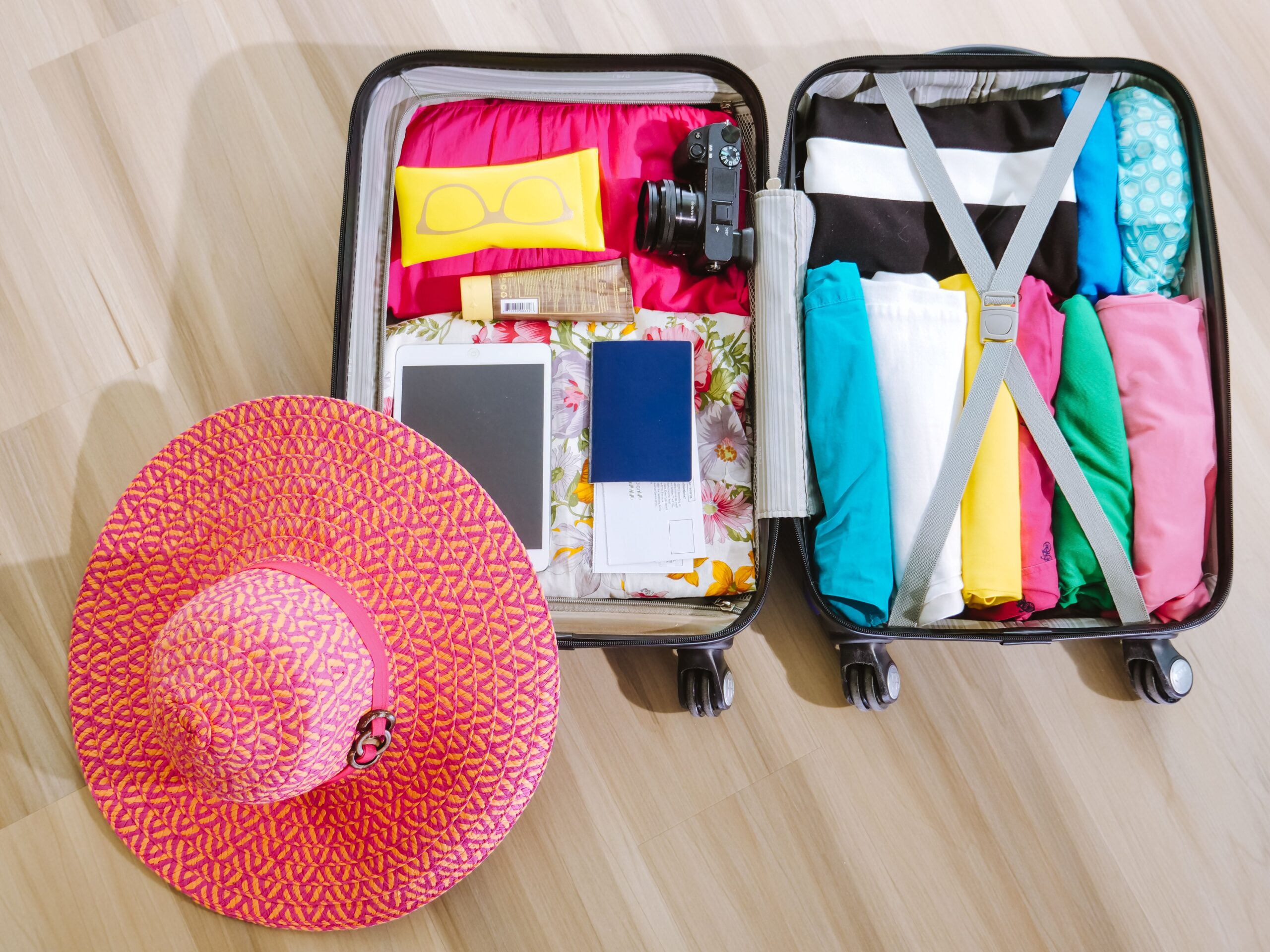
Pack protein you already know sits well: single-serve shakes or powder, bars you have tried at home, a few savoury snacks. Nothing new for the first time on a plane. Take a shaker bottle and a refillable water bottle. They are the two most useful things you can pack. Your vitamins travel too, in hand luggage, enough for the trip plus two extra days. And bring your team’s phone number, on paper as well as on your phone.
If you are early post-op, or travelling far from care, ask your team what to watch for before you book anything. One honest conversation before the trip beats a worried phone call from a hotel room.

At the airport and on the plane

Eat a proper small meal before you leave home. It means you are choosing food for the rest of the journey, not hunger.
Solids pass security, liquids mostly do not. Sandwiches, bars, fruit and dry snacks travel fine in hand luggage. Drinks, yoghurt and soups count as liquids, so buy or fill up after security. Most airports list their restaurants online, so a quick look the night before tells you where the protein is. You are not deciding hungry at the gate.
On the plane, eat the protein first and leave the rest. A special meal can be ordered in advance on many airlines, but check what it actually contains before you rely on it. Cabin air is dry, so keep sipping through the flight. Small sips beat a litre at once. And walk the aisle every hour or so. It keeps you comfortable, and it counts as movement for the day.
At the hotel

A hotel room is a small kitchen waiting to happen, if you set it up on the first evening. Many hotels will bring a mini-fridge to the room if you ask, sometimes free for medical reasons. Worth asking at check-in, not at midnight.
Find the nearest supermarket on the first evening. Yoghurt, cheese, cold cuts, fruit, water. A small stock in the room means breakfast and snacks are solved for days. Keep a bar and a piece of fruit in your bag too. A snack you packed beats a snack the minibar sells.
Then there is the buffet. Walk it before you serve. Look at everything first, then go back for what you actually want: protein first, then vegetables, then a little of the rest, the same order as at home. Pastries and juice are the easy choice at a buffet, but eggs, cheese, yoghurt and a little fruit are usually there too, and they keep you full far longer.
Eating out on holiday
Holiday food is half the pleasure of the trip, and you do not have to miss it. You just eat it at your new size, at your new pace, and that is enough.
Most menus are online, so pick your protein before you arrive. Try the local food, your way: grilled fish, a small plate of the local speciality, a soup to start. Local food is often simpler and fresher than the tourist menu. Order small, or share: a starter as a main, a dish to share, a child’s portion where it is offered. Restaurants are used to it, and nobody minds.
Eat slowly, put your cutlery down, join the conversation, and let the meal take its time. Nobody is watching your plate as closely as you think. Dessert is a taste, not a course. A spoonful from someone else’s plate is often enough.
Most teams advise avoiding alcohol, especially in the early months, and fizzy drinks can be uncomfortable. Ask your team what applies to you, and keep water on the table.
Road trips
A car is the easiest way to travel after surgery, and the hardest to eat well in. Petrol stations sell crisps, not protein, so the car gets packed like the trip depends on it, because it does.
Pack the cooler first, before the suitcases. Yoghurt, cheese, cold cuts, boiled eggs, fruit, water: enough for the drive, not just the first hour. Look at the route and pick stops with a proper shop or restaurant, not just a petrol station. A planned stop is a meal; an unplanned one is a bag of crisps.
Eat at the stops, not in the car. Pull over, get out, eat sitting down. Eating while driving means eating fast, and fast is what hurts. Keep water in reach, a bottle in the door pocket, refilled at every stop. And pack for the return journey as carefully as for the way out. The drive home is when the food runs out and the tiredness sets in.
What to say
Food is social, and travel is full of people who want to feed you. A short sentence, ready in advance, is worth more than a long explanation at the table.
“I had stomach surgery, so I eat small amounts” is enough, if anyone asks. Most people accept it and move on. You owe nobody a longer story. “It looks wonderful, I’ll just have a little” works with a host who keeps offering. A small taste, honestly enjoyed, is kinder than a refusal. “I’m full, thank you” is a complete sentence. You do not need a reason, an excuse or a joke to go with it.
Tell your travel companion before the trip, once, plainly: what you can eat, what you cannot, and that you will ask for help when you need it. One honest talk beats a week of guessing.
When things go wrong
Something will go wrong on a trip: a meal that does not sit well, a day with no protein in sight, a stomach that complains at the worst moment. It is normal, it passes, and it is worth knowing what to do before it happens.
If a meal disagrees with you, stop eating, sip water slowly, rest. Most upsets pass within a few hours. If vomiting or pain keeps returning, call your team, and seek care if you cannot keep fluids down. Some bypass patients feel unwell after very sweet or fatty foods: a racing heart, sweating, nausea. It passes, and it teaches you quickly what to avoid. Tell your team if it happens often.
A day with only bread and fruit happens on the road. Use your packed snacks, find a shop, and do not panic about one day. Protein is a habit over weeks, not a test you fail in an afternoon. And one meal too big is not a ruined trip. Note what happened, and carry on at the next meal.
But some things deserve care, early rather than late: not keeping fluids down for a whole day, fever, severe or worsening pain, chest pain or breathlessness, signs of dehydration. Do not wait and hope. Call your team, or seek urgent care.
Keeping your routines
Travel breaks routines, and routines are what keep the new habits going. You do not need to keep all of them on a trip. Keep two or three, and the trip holds together.
Keep your meal times, roughly the same times, roughly the same order. Move every day. Sightseeing counts: a walk to the beach, stairs instead of the lift, an evening stroll after dinner. Sleep is part of it. Tired days make bad food days. And the scale can stay home. A week away is a poor time to weigh yourself. Different food, different water, different routine. Weigh when you are home, on your own scale, in your own routine.
A tool for the road
The new Bariatric Travel Eating Kit from BariatricShopRo gathers all of this into twelve printable A4 pages: planning and packing, airport and plane, hotel life, eating out, road trips, routines away from home, ready lines for tricky moments, when things go wrong, a printable packing checklist and a travel food log.
Get it here: https://www.etsy.com/listing/4624438346/bariatric-travel-eating-kit-eat-well-on
It is educational only, like everything in the shop: it helps you plan a trip, it never replaces your team’s instructions. If anything in any guide conflicts with what your surgical team told you, your team wins, always.
Sources
- American Society for Metabolic and Bariatric Surgery — patient resources on recovery after bariatric surgery
- Cleveland Clinic — dietary guidance after bariatric surgery, patient education
- National Health Service — eating after weight-loss surgery, staged diet guidance