Vitamins, Minerals and Checkups in the First Year After Bariatric Surgery: What Gets Checked and When

Important, read first: this article offers general information about recovery after bariatric surgery. It does not replace the advice of your doctor or the team following you. Every patient has their own rules, set by their own team. If anything here differs from what your team recommended, your team’s recommendation is the one that counts.
In the first year after bariatric surgery, vitamins, minerals and checkups have a calendar of their own. This article describes it in practical terms: what is taken, for how long, which tests are done, and when the checkups fall.
Why supplements end up being taken for life is a question of absorption, covered in the vitamins articles on this site, and tracking them day by day, with a tracker, is covered in the article about tracking your supplements. What stays here is the calendar.
It is very likely that, for a variable period of 3-6 months after surgery, vitamins and minerals in various forms and supplements will be needed, to avoid major nutritional deficits. You eat less than you need, and it is very hard to get a balanced diet every single day.
The first month: vitamins and multiminerals, daily
In the first month after surgery you receive vitamins and multiminerals to take daily, usually as drops or chewables. At discharge you receive instructions about the type of supplements and the length of the treatment.
Medication in the first weeks
For 2 months after surgery, the doctor may recommend a proton pump inhibitor. You also receive, to take at home, an anticoagulant given under the skin, for 2-3 weeks. Follow the post-op treatment instructions you received from your team.
Protein shakes
Protein shakes carry 25-40 g of protein per serving and are sugar free. They are taken in servings of 100-120 ml, and one shake replaces a main meal. The powder dose is set with the doctor and is individual.

After surgery you need about 50-70 g of protein a day. Shakes top up meals until food intake is enough on its own, then you can stop them. Protein in detail is covered in the article about the protein problem after bariatric surgery.
An example supplement schedule
The schedule below is an example, as it can look in practice. Every item is taken only as recommended by the doctor following you, with the doses and durations they set:
- multivitamins with minerals: 1-2
- calcium citrate
- vitamin D, if pre-op levels are low
- iron, if the doctor recommends it
- protein shakes, if food intake is below 50-70 g of protein a day
- ursodeoxycholic acid medication: 2 tablets a day, for 6 months only and only if the gallbladder is present
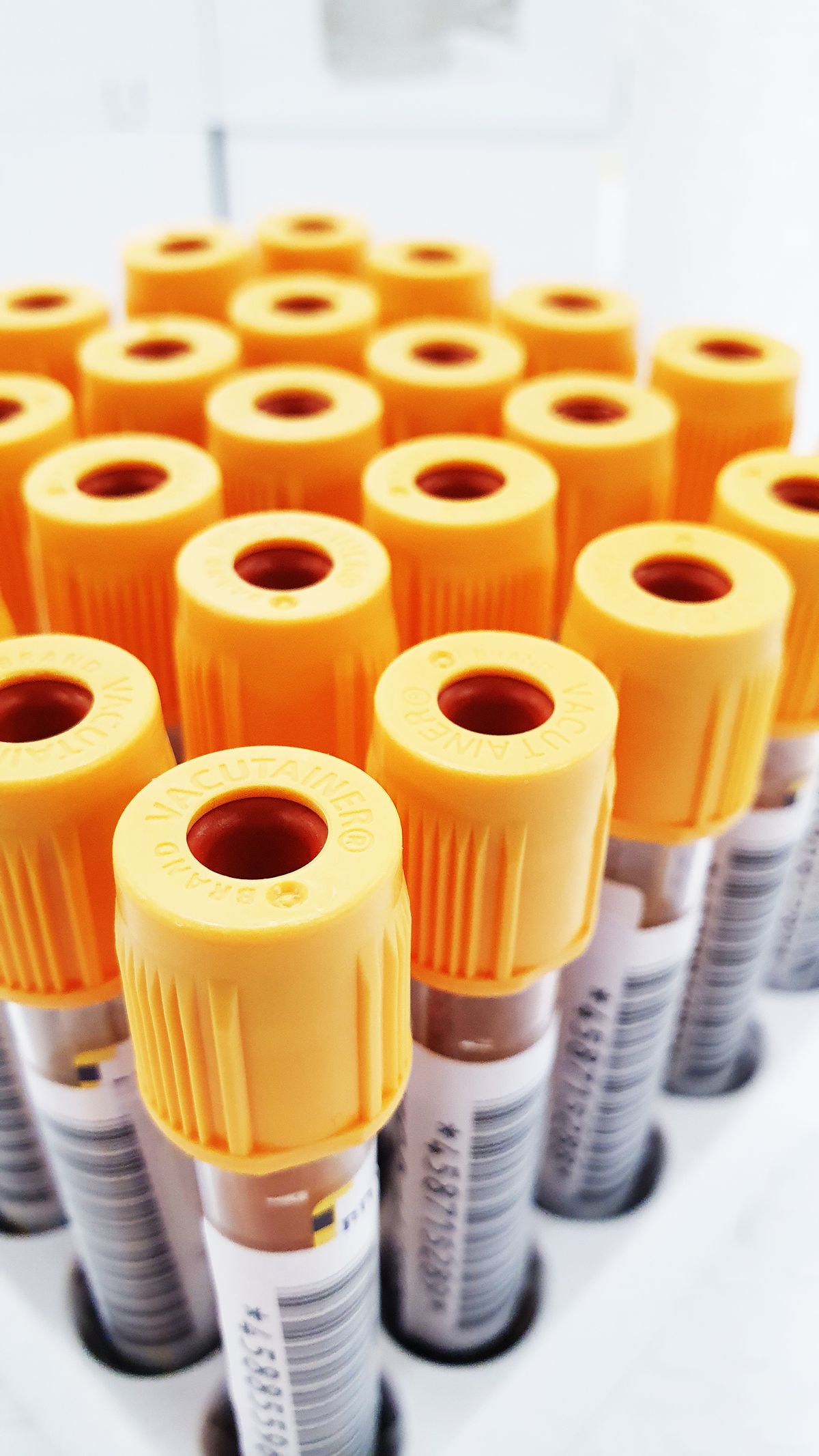
Lab tests: at 3, 6 and 12 months
Lab tests are done at 3, 6 and 12 months after surgery. Depending on the results, other nutritional supplements may be added, as needed.
The checkup calendar
Checkups are scheduled at 1, 3, 6, 12, 18 and 24 months after surgery. At each checkup, the team follows how weight, lab results and general state are developing.

What you track at home, weekly
Track your weight weekly, preferably on the same day, in the morning, after using the bathroom. On the same occasion, measure your waist and hip circumference and write them down. At the checkup, these measurements are shared with the doctor. Why the scale tells only half the story is explained in the article about weight and measurements.
If weight loss stalls for a while
Do not panic if weight loss stalls for a while. Keep tracking the same measurements: centimetres often drop when weight stalls. Tell the doctor about any stall longer than 3-4 weeks. The stall in detail is covered in the article about the weight loss stall.
Two trackers for daily follow-up
- Vitamin Tracker (Etsy, €3.49): a daily tracker for vitamins and supplements, so you can see at a glance what you took and what is left.
https://www.etsy.com/listing/4602748104/ - Weight Loss Tracker (Etsy, €4.99): a tracker for weight and measurements, week by week.
https://www.etsy.com/listing/4604021426/
Note: the products above are educational materials, for organising a daily routine. They are not medical devices and they do not replace the instructions of your doctor or your bariatric team.
What to expect week by week in the first month, when the supplement routine begins, is described in the article about the first 30 days after bariatric surgery.
Read the Romanian version: Vitamine, minerale și controale în primul an după operația bariatrică: ce se urmărește și când